
A vehicle problem is stressful at any time. After dark, it can be harder to identify your location, assess your surroundings, and decide what to do next.
You might leave work to find that the car will not start, notice a tire problem during an evening drive, or experience a breakdown while traveling through Lexington. The first priority is the situation around you, not diagnosing the vehicle.
For drivers looking for roadside assistance in Lexington, KY, October is a useful time to prepare. Earlier darkness means more routine journeys take place without daylight, including commutes, school activities, and trips to fall gatherings.
Knowing what information to give a dispatcher and how to organize help can make the process clearer. It also helps you avoid unnecessary roadside exposure or a repair attempt in an unsuitable location.
This guide explains what to consider during an after-dark breakdown and how to prepare before one happens.
Assess Immediate Danger Before Calling a Tow Truck
A towing company can help with a disabled vehicle, but it does not replace emergency responders.
Call 911 first if someone is injured, there is fire or smoke, the vehicle creates an immediate traffic danger, or another emergency threatens people’s safety.
If the vehicle can still be controlled, move out of active traffic to a suitable stopping place when it is safe to do so. Avoid abrupt movements or trying to reach a distant destination with a vehicle that is no longer operating safely.
Turn on hazard lights to help other drivers recognize the stopped vehicle.
Describe the Situation, Not Just the Mechanical Problem
“Flat tire” does not fully explain a vehicle stopped in a travel lane. “Car will not start” can describe either a parking-lot inconvenience or a more exposed roadside situation.
Tell the person receiving your call whether the vehicle is away from traffic, whether anyone is injured, and whether there is an immediate hazard.
Those details help establish which type of assistance should come first.
Should You Stay Inside the Vehicle?
There is no universal answer that fits every roadside location.
If you are safely away from traffic, remaining inside with seat belts fastened may be the safer option. If the vehicle is exposed to a likely collision or there is fire or another immediate threat, staying inside may be unsafe.
AAA’s vehicle breakdown guidance explains that the decision depends on the vehicle’s position and surrounding danger.
If exiting is necessary and safe, use the side away from traffic and move well clear of the vehicle and roadway. Do not wait directly in front of or behind the disabled vehicle.
Avoid Unnecessary Trips Around the Car
Do not walk into traffic to take photographs, inspect damage, or retrieve a better view of a road sign.
Information is helpful only when it can be gathered safely. Tell dispatch what you know and explain what you cannot check.
If you are uncertain about an immediate threat, contact emergency services and follow the instructions appropriate to your situation.
Give Dispatch a Location They Can Use
A clear location is one of the most useful parts of a roadside assistance call.
A statement such as “I am near Lexington” leaves too much uncertainty. Provide specific details from your safe position.
Useful information includes:
- Road or street name.
- Direction of travel.
- Nearest exit, intersection, or mile marker.
- Whether you are on a shoulder, ramp, parking lot, or driveway.
- A nearby business or recognizable landmark.
- A map location or coordinates, if available.
Include Direction on Interstate Calls
For a vehicle breakdown on I-75 or I-64, the direction of travel matters.
Describe which side of the road you are on and any visible signs. Do not assume the nearest exit name alone identifies the correct approach.
If you use your phone to share a location, confirm that the pin represents your current position.
Describe Access in Parking Lots
A parking-lot location may still need explanation.
Tell dispatch which entrance you used, where the vehicle is parked, and whether there are gates, height restrictions, or tight spaces.
That information can help the operator understand the location before arrival.
Explain the Vehicle’s Condition Without Guessing
You do not need to diagnose the fault before requesting help.
Describe what happened and what you observe:
- The engine stopped while driving.
- The vehicle will not start.
- A tire appears damaged or flat.
- A warning message appeared.
- The vehicle was involved in a collision.
- The keys are locked inside.
Avoid presenting a suspected cause as confirmed. A no-start condition does not automatically mean the battery is the only problem.
Provide Vehicle Details
Give the make, model, approximate year, and other relevant information.
Tell dispatch if the vehicle is electric, hybrid, all-wheel drive, unusually low, modified, or carrying a trailer. Mention collision damage or a wheel that cannot move normally.
These details help the towing company determine the appropriate response. The operator should follow the vehicle’s applicable towing requirements.
Understand Roadside Assistance vs Towing
Some problems may be addressed at the vehicle’s location. Others require transport to a repair facility or another destination.
Metro Towing lists light services such as unlocks, tire changes, and jump-starts alongside its towing services.
The right option depends on the problem, equipment, vehicle, and location.
Jump-Start Requests
A jump-start service in Lexington, KY may be relevant to some no-start situations, but a successful start does not establish that the underlying issue has been resolved.
Explain the symptoms and ask what service is appropriate. Follow your vehicle’s instructions, particularly for hybrid or electric models, rather than improvising a procedure.
Flat Tire Requests
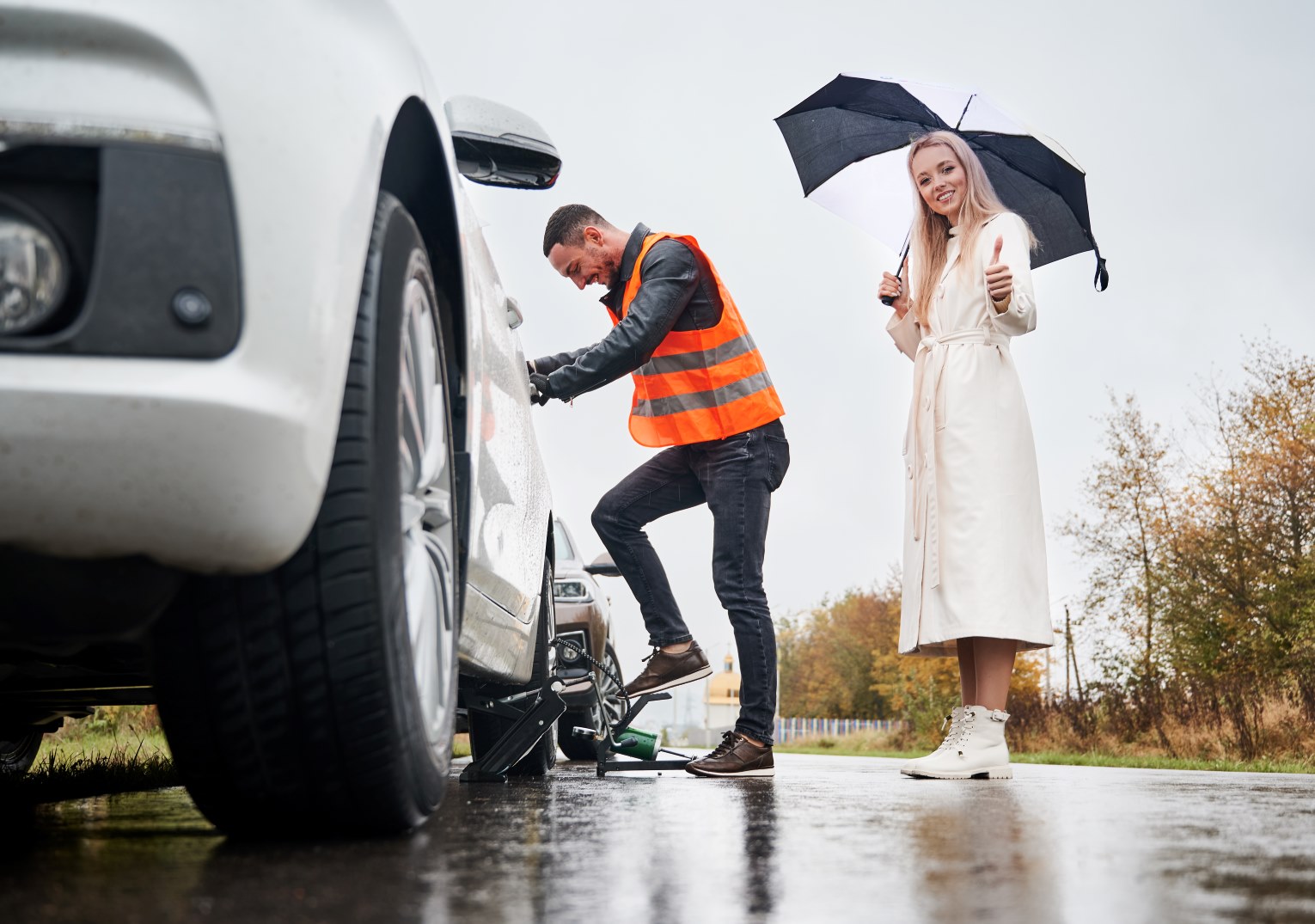
For flat tire roadside assistance, tell dispatch whether you have a usable spare and whether you know where it is stored.
Do not put yourself beside moving traffic to inspect or remove it. If a suitable tire change cannot be completed, transport may be needed.
Mechanical Problems or Collision Damage
A vehicle with a mechanical problem or damage may need towing.
Avoid continuing to drive solely because the engine starts or the vehicle can move. Describe the problem and obtain appropriate assistance.
The towing operator can assess handling requirements; a repair professional determines the mechanical repair needed.
Discuss the Destination Before the Vehicle Is Loaded
If towing is needed, identify where you want the vehicle taken.
That might be a repair shop, dealership, or another location that can receive it.
Confirm After-Hours Arrangements
An evening tow needs a destination plan.
Check whether the repair facility has an after-hours drop-off process, where the vehicle should be left, and how keys are handled. Do not assume a locked business can accept a vehicle anywhere on its property.
Share the confirmed address and instructions with the towing company.
Arrange Transportation for Passengers
Tell dispatch how many people are with the vehicle.
Do not assume the tow truck can accommodate everyone. Ask what arrangements are possible and plan separate transportation when necessary.
Children, pets, mobility needs, and belongings may affect the plan. Explain those details early instead of waiting until loading begins.
Ask About Timing and Charges Clearly
When searching for a tow truck in Lexington, KY, drivers often want to know when help will arrive and what the service will cost.
Ask for an estimated arrival time and an explanation of the proposed charges. Location, traffic, weather, vehicle condition, required equipment, and destination can affect the job.
An estimate is not a guaranteed arrival time.
Clarify the Proposed Service
Ask whether the quote is for a roadside service, towing, or a more involved recovery.
Discuss what could change the estimate and how additional work would be communicated.
If you have roadside coverage through insurance, a vehicle manufacturer, or another program, confirm its process directly. Do not assume a particular provider accepts direct billing or that every cost will be covered.
Metro Towing advertises customized pricing and 24/7 service. Contact the company for information specific to your request.
Prepare for the Operator’s Arrival
Once help is arranged, remain available by phone and tell dispatch if your location or situation changes.
Follow the operator’s instructions when the truck arrives.
Keep the Working Area Clear
Stay away from loading equipment, cables, and the area between vehicles.
Do not attempt to guide equipment or move the disabled vehicle unless the operator specifically instructs you to do so.
If personal items need to be collected, coordinate with the operator and retrieve them only when safe.
Review the Next Steps
Confirm the destination, key handling, and how you will receive service information.
Ask what you should do if the repair shop cannot accept the vehicle as planned.
A brief confirmation prevents misunderstandings after the tow truck leaves.
Build a Fall Roadside Emergency Kit
Preparation cannot prevent every breakdown, but it can make a difficult wait more manageable.
Keep a practical roadside emergency kit with items such as:
- A working flashlight.
- A phone charger or charged power bank.
- Warm clothing or a blanket.
- Drinking water.
- Basic first-aid supplies.
- Important contact information.
- Vehicle-specific emergency instructions.
Check batteries and supplies periodically. Store items securely so they do not interfere with driving.
Having tools does not mean every repair should be attempted roadside. The location and conditions still determine whether an action is appropriate.
Address Vehicle Concerns Before an Evening Trip
Use October to review routine maintenance and problems you already know about.
Follow the vehicle manufacturer’s schedule and have concerns assessed by a qualified repair professional.
Pay attention to tire condition, starting problems, lights, wipers, and warning messages. A recurring fault deserves investigation rather than repeated workarounds.
Before a longer trip, charge your phone, review the route, and make sure you know how to contact help.
Save Metro Towing’s number before you need it: 859-255-4395. Its website identifies Lexington as its base and confirms 24/7 service.
That preparation is particularly useful when a car breakdown at night makes searching and decision-making harder.
Frequently Asked Questions
What should I do first if my car breaks down at night?
Assess immediate danger. If you can safely move out of active traffic, do so and turn on hazard lights. Call 911 for injuries, fire, or an immediate traffic emergency. Once the situation allows, request roadside assistance and give dispatch your location, vehicle details, and observed problem.
Should I stay in my car while waiting for a tow truck?
The decision depends on your surroundings. Remaining belted inside may be safer when the vehicle is away from traffic, while an exposed position or immediate threat can make staying unsafe. Review AAA’s breakdown guidance and follow emergency responder instructions for your situation.
What information does Metro Towing need when I call?
Provide your location, direction of travel, vehicle make and model, observed problem, and a callback number. Explain traffic exposure, damage, access restrictions, passengers, and any special vehicle characteristics. If towing is likely, identify your preferred destination and any confirmed after-hours drop-off instructions.
Can roadside assistance fix a flat tire or no-start problem?
Some situations can be addressed through an appropriate tire change or jump-start, but not every vehicle or location permits that service. Tell dispatch whether you have a usable spare and describe the no-start symptoms accurately. If roadside service is unsuitable or does not resolve the situation, towing may be needed.
Does Metro Towing provide help after normal business hours?
Metro Towing’s website confirms 24/7 service and customer support. Call 859-255-4395 to explain your situation and confirm the available response. Arrival time depends on the request and conditions. Immediate dangers should be reported to emergency services rather than relying solely on a towing call.
Can an all-wheel-drive or electric vehicle be towed?
These vehicles can have specific handling requirements. Give dispatch the exact vehicle details and describe its condition before equipment is assigned. The operator should use an approach appropriate to the manufacturer’s requirements. Do not assume the same towing method is suitable for every vehicle.
Prepare for Fall Driving and Know Who to Call
Planning for roadside assistance in Lexington, KY starts before a breakdown: save a contact number, maintain useful emergency supplies, and address known vehicle concerns.
If trouble occurs, assess immediate danger first, provide a clear location, and explain the vehicle’s condition without guessing.
Review Metro Towing’s towing and roadside services or call 859-255-4395 for assistance. For non-urgent questions, use Metro Towing’s contact page.
If there is an injury, fire, or immediate danger, call 911 first.